Anyone who has just brought home a wet and dry vacuum cleaner has likely asked the same question: does this machine actually need a bag to work? It’s a fair question, and the answer shapes how the machine gets used from the very first clean. Understanding how these machines collect debris helps avoid mess, clogging, and unnecessary frustration.
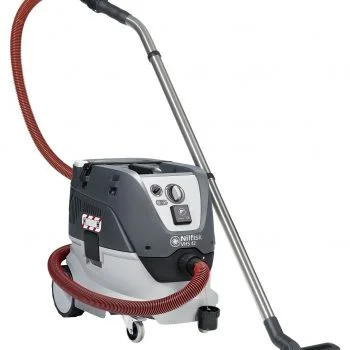
Most wet and dry vacuums are designed around a canister or tank system rather than a disposable paper bag. Debris, whether dry dust or wet spills, is pulled through the hose and dropped straight into a removable tank. This tank is emptied by hand once cleaning is finished, then rinsed out before the next use, particularly after picking up liquid.
This canister-style design is what separates this type of vacuum cleaner from a standard household upright or canister model that relies on a paper or fabric bag to trap dust. A bag works well for dry debris but cannot safely hold liquid, which is why these machines are built differently from the ground up.
For most machines of this type, the short answer is yes. This kind of vacuum is typically built to run without a bag at all, since the tank itself is the collection point. When switching between wet and dry pickup, the same tank handles both jobs, though many manufacturers recommend removing any dry filter before vacuuming liquids to protect it from moisture damage.
Bagless by default: The tank collects debris directly, so there is often no bag involved in day-to-day operation.
Filter still matters: Even without a bag, a filter usually sits inside the machine to protect the motor from fine dust, and this filter is separate from any bag question.
Wet mode changes the setup: Switching to liquid pickup usually means removing the dry filter and, in some models, fitting a foam sleeve or float valve instead.
Not always. Some models, particularly those used mainly for dry debris in workshops or garages, do accept a disposable bag inside the tank to make emptying dust or wood shavings easier and less messy. This is optional on many machines rather than a requirement, and it is generally used only during dry-mode cleaning, since a bag placed in the tank during wet pickup will simply be ruined by moisture.
Dry-only convenience: A bag can reduce mess when emptying fine dust, plaster, or sawdust from the tank.
Never for wet pickup: Liquids should always go straight into the bare tank, never into a bag.
Model-specific: Whether a particular machine accepts a bag depends on its design, so checking the manual or product listing for the model in question is the safest approach.
A little preparation avoids most problems people run into with these machines.
Check the tank is empty: Starting with a clear tank keeps suction strong and prevents overflow during wet pickup.
Match the filter to the task: A dry filter left in place during liquid pickup can be damaged, so swapping it out first is worth the extra moment.
Rinse after wet use: Cleaning the tank and hose after picking up liquid stops odours and residue building up over time.
Store parts dry: Leaving the tank lid off between uses helps everything air out properly.
Vac City carries a range of wet and dry vacuum cleaners, along with filters, hoses, and accessories to suit different models, so parts that need replacing over time can be sourced without hunting around. For machines that do use bags, a selection of vacuum cleaner bags covering multiple brands is also available.
Choosing between bagged and bagless operation comes down to the model and the type of mess being tackled. Dry debris can suit a bag for tidier emptying, while liquid pickup always calls for the bare tank. Getting familiar with a machine’s filter and tank setup makes every clean simpler and helps the vacuum last longer.
Anyone weighing up which machine suits their space, or looking for the right filter, hose, or bag for an existing unit, is welcome to browse the current range online or get in touch with the team directly for guidance. For machines in need of a service or repair, Vac City’s vacuum repairs team is on hand to help too.