Cleaning large spaces can feel tiring when equipment slows the process or causes strain. Many teams face issues like heavy machines, limited reach, and uneven suction results.
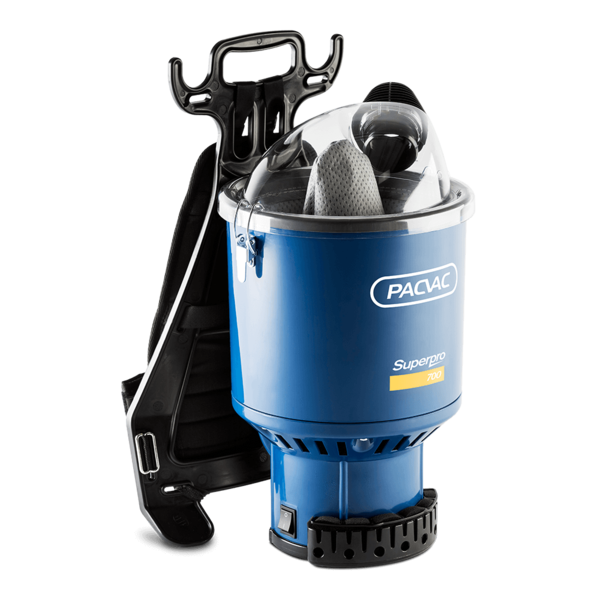
With the right approach, a backpack vacuum cleaner can turn daily cleaning into a smoother, faster routine that supports mobility, ergonomic comfort, and consistent suction performance.
At Vac City, our focus stays on helping teams work smarter with tools that improve results and reduce fatigue.
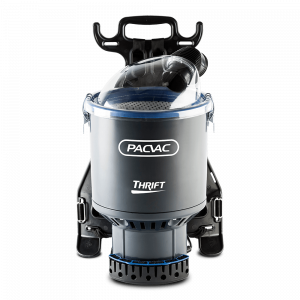
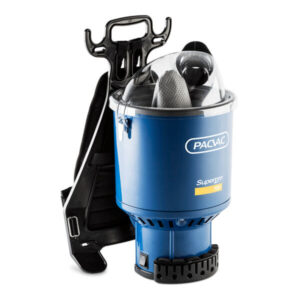
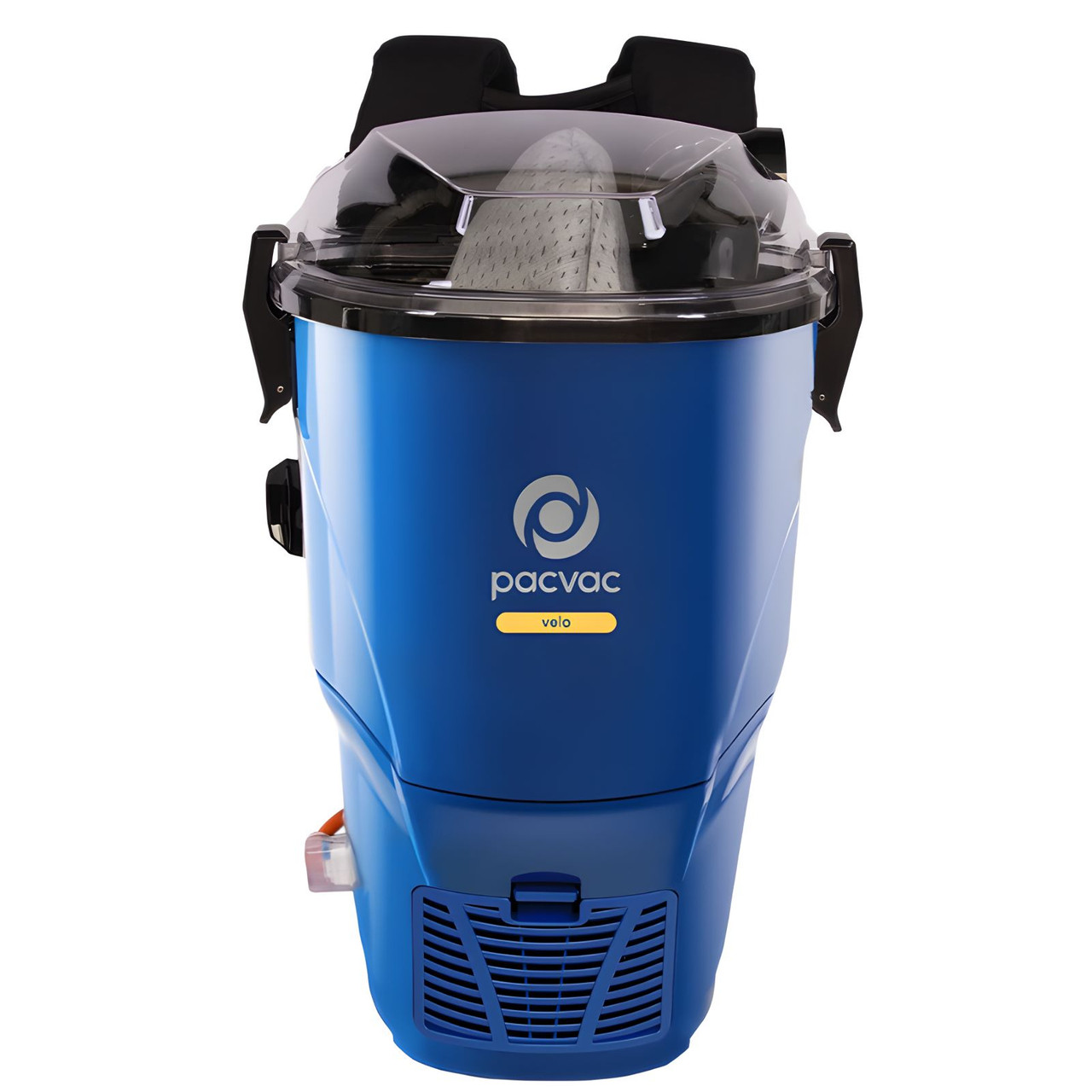
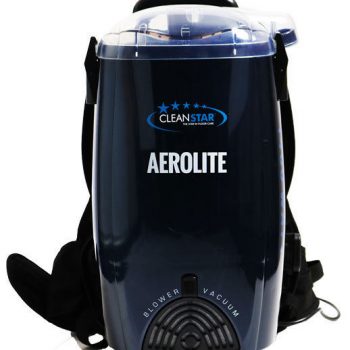
A backpack vacuum system is worn like a harness, keeping the unit securely on the operator’s back. This design supports hands-free movement, extended reach, and better control across tight spaces.
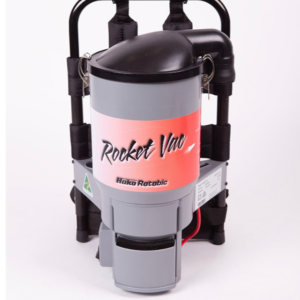
Learning how to use a backpack vacuum cleaner the right way can improve both cleaning quality and operator comfort.
A secure fit supports posture alignment, operator comfort, and reduces fatigue during long shifts.
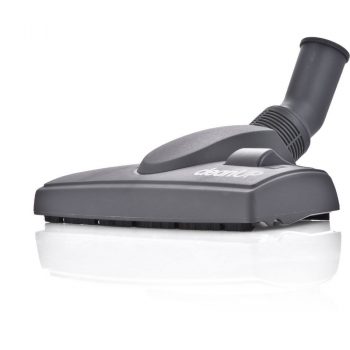
Using the correct tool improves surface cleaning accuracy and boosts overall performance.
This method supports systematic cleaning, uniform results, and avoids missed spots.
Good hose control improves airflow efficiency and ensures consistent suction.
Routine checks help maintain suction strength, equipment longevity, and reliable performance.
Many cleaning teams face similar challenges when using vacuum equipment. Addressing these concerns early can improve daily operations.
Heavy machines and poor weight distribution can cause discomfort. A well-fitted ergonomic backpack vacuum reduces pressure and supports smoother movement across large areas.
Weak suction or incorrect attachments often lead to uneven cleaning. Using proper tools and maintaining filters supports consistent debris removal and better surface finish.
Traditional vacuums may require frequent repositioning. A backpack model offers extended reach, improving productivity, time management, and workflow.
Poor filtration can release particles back into the air. A system with HEPA filtration supports cleaner air and safer environments.
These steps support cleaning efficiency, operator safety, and long-term equipment performance.
Using a backpack vacuum cleaner correctly improves more than just cleaning results. It supports time savings, reduces physical strain, and helps teams maintain high standards across commercial environments.
When the equipment and technique align, cleaning becomes faster, smoother, and more reliable.
Choosing the right approach can remove the stress from daily cleaning tasks. With proper guidance and the right equipment, teams can achieve consistent results without added effort.
At Vac City, our goal remains focused on helping businesses find practical solutions that improve cleaning routines and support long-term performance.
Our vacuum cleaner shop is here to guide every step, from selecting the right backpack vacuum system to offering ongoing support and maintenance advice. Reach out today to discuss your needs or request expert guidance tailored to your space.