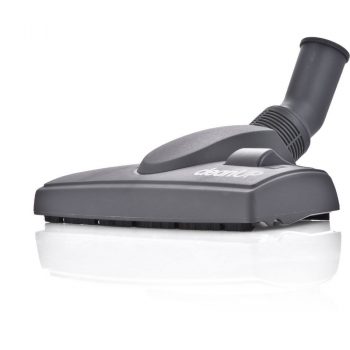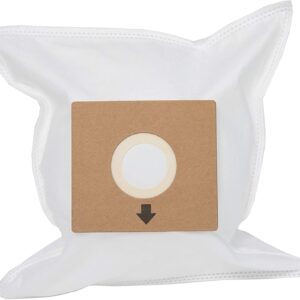
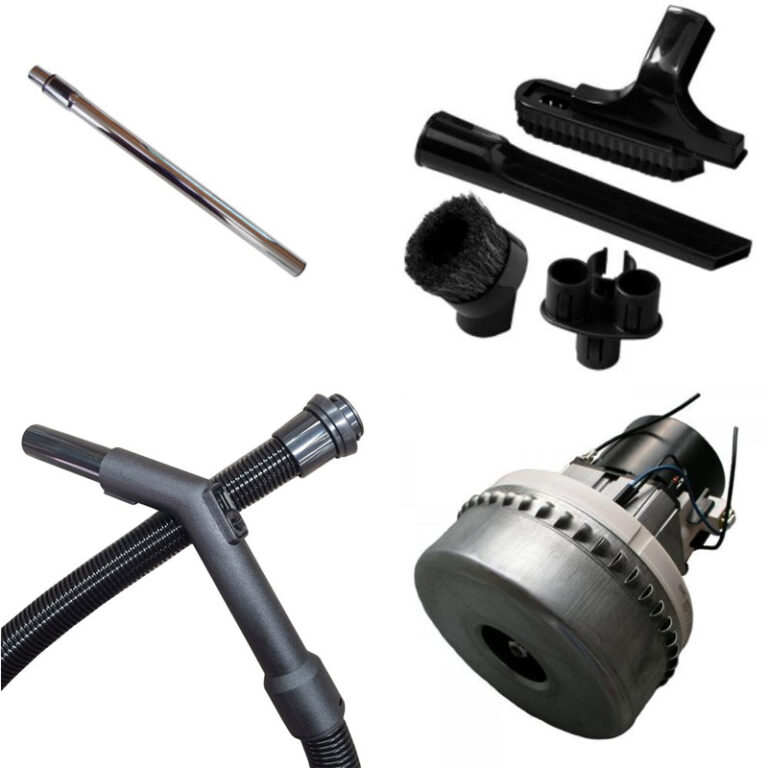
A vacuum cleaner rarely stops working all at once. More often, one part wears down first: a filter clogs, a belt stretches, a hose splits, or a battery stops holding charge. Picking the correct replacement vacuum parts for the specific machine makes the difference between a quick fix and a cleaner that never quite performs the way it used to.
This guide walks through what to check before buying, which parts tend to fail first, and how to match a new part to an existing vacuum cleaner with confidence.
Every vacuum cleaner is built around a particular brand, and often a particular model within that brand. Filters, bags, belts, and heads are shaped and sized to fit one manufacturer’s design, so the first step in any repair is confirming exactly which brand and model is in use. A wide range of brands is stocked, including Dyson, Electrolux, Miele, Sebo, Vax, Hoover, Nilfisk, Pullman, Kerrick, Karcher, and Dreame robot vacuums, along with many others.
Checking the model number on the base plate, motor housing, or original packaging before ordering helps narrow the search quickly. Where a brand-specific section is not obvious, sorting vacuum parts & accessories by brand or by part type makes it simpler to land on the right fit.
Some components wear out through everyday use, while others fail due to age or a build-up of dust and debris. Common candidates include:
Working through this list against the symptoms a cleaner is showing (weak suction, unusual noise, a burning smell, or reduced runtime) is a practical way to narrow down which part actually needs replacing.
Cordless and battery-powered cleaners rely on a small set of electrical components that eventually need attention. Batteries lose capacity over repeated charge cycles, chargers can fail independently of the battery itself, and motors are graded by stage (1-stage, 2-stage, or 3-stage) depending on the model. Batteries and chargers are available for brands such as Dyson, Electrolux, Hoover, Pacvac, Wertheim, Miele, Nilfisk, and Rugged, along with power cords and lead extensions for corded machines.
The hose and handle assembly connects the motor to the floor head and takes constant flexing, twisting, and pulling during use, which makes it one of the more frequently replaced sections. Floor heads themselves come in several forms, including turbo heads, hard floor heads, and squeegee heads, each suited to a different surface. Matching the floor head to both the cleaning surface and the vacuum’s hose cuff or handle fitting helps maintain proper suction and manoeuvrability.
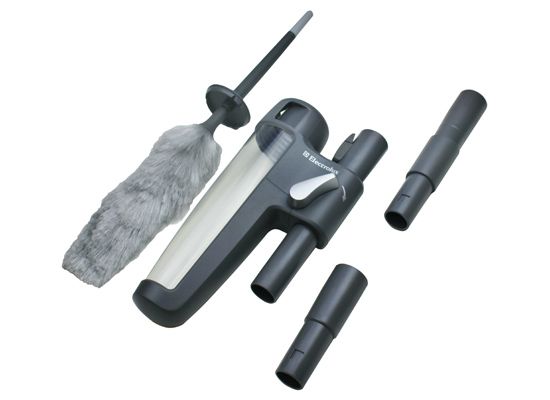
Telescopic rods, crevice tools, dusting brushes, and general attachments extend what a vacuum can reach, from skirting boards to upholstery. Some brands, including Dyson and Dreame robot vacuums, also have their own dedicated parts range, reflecting how differently these machines are engineered compared with standard upright or canister models. Checking whether a part is listed under a specific brand section, rather than the general accessories range, often leads to a faster and more accurate match.
Ordering the wrong size filter or an incompatible belt is a common and avoidable mistake. Cross-checking the model number, keeping the old part on hand for comparison, and searching by brand rather than by generic description all reduce the chance of a mismatch. For anyone unsure which replacement vacuum cleaner parts suit their machine, reaching out directly before ordering is a straightforward way to confirm the right fit.
Choosing the right part comes down to identifying the brand, the model, and the specific component that has failed, then matching it against a genuine or compatible option built for that machine. With filters, belts, motors, hoses, floor heads, and brand-specific parts all available, most repairs can be handled without replacing the whole cleaner.
Browse the full range of vacuum parts and accessories by brand or part type, or get in touch with the Vac City team for help finding the right fit for a specific cleaner.