
Anyone who has owned a bagless vacuum knows the moment well. The transparent dust cup fills up, cleaning needs to pause, and the task of emptying the bin begins. Done carelessly, it sends a visible puff of fine dust back into the air, right back onto the floors and surfaces that were just cleaned. Done correctly, it is a quick, contained, and straightforward process.
This guide covers exactly how to empty bagless vacuum cleaner bins with minimal dust escape, why dust exposure happens during emptying, how to look after filters properly, and what ongoing maintenance keeps the machine running reliably between empties.
The design of a bagless vacuum makes it genuinely convenient in many ways. The transparent dust cup shows the fill level at a glance, and there is no need to keep replacement bags in stock. But the same open emptying process that makes it bag-free is what creates the dust exposure risk.
When the bin is opened and debris is poured out, the compacted fine dust inside the cup is disturbed. Fine particles, which settled to the bottom during cleaning, become airborne again when the bin is inverted or knocked over a waste bin. This is a widely acknowledged trade-off of the bagless format.
The Vac City website notes plainly that emptying a bagless vacuum can be messy and unhygienic, exposing the user to fine dust and allergens. This is not a flaw in any specific model; it is a characteristic of the open-bin design itself. The good news is that the process can be managed well with a few simple habits.

Before removing the dust cup, switch the vacuum off at the machine and unplug it from the wall. This stops any residual airflow inside the machine that could disturb fine particles when the bin is opened.
The single most effective way to reduce indoor dust exposure during emptying is to take the vacuum outside before opening the bin. Emptying over an outdoor area, or into a wheelie bin or lined waste bin, means that any fine dust that does escape during the process does not settle back onto indoor floors or furniture.
For households where taking the machine outside is not practical with every empty, emptying directly into a kitchen bin lined with a bag, and immediately tying the bag closed after, achieves a similar result. The goal is to contain the released dust immediately rather than allowing it to drift across the room.
Position the dust cup directly over or inside the waste bin before releasing the catch or pressing the emptying button. The less distance debris travels from the cup to the bin, the less opportunity there is for fine particles to disperse into the air.
Avoid holding the cup high above a bin and tipping it from a distance, as this gives dust particles more air travel time and more chance of drifting before settling. A controlled, low-distance release keeps the majority of the contents contained.
Rather than shaking or tapping the bin to dislodge stuck debris, allow gravity to do the work first. Most of the contents will fall out on their own. A gentle tap against the inside of the waste bin can dislodge remaining material without the sharp impact that sends fine particles airborne.
Avoid blowing into the bin to clear residual dust, as this pushes fine particles directly into the air around the task area.
Once the bin is empty, a dry cloth or paper towel wiped around the inside of the dust cup removes residual fine dust clinging to the walls. This step is easy to skip but makes a difference to how much fine dust drifts out of the cup during the next cleaning session.
If the model’s dust cup is washable, a rinse under water is an effective way to remove fine residue completely. Confirm from the model’s care information whether the dust cup is safe to rinse before doing so, and allow it to dry fully before reattaching it to the machine.
Each time the bin is emptied is a good opportunity to check the filter condition. The bin and the filter work together: when the bin is full, the filter works harder to stop fine particles from passing through to the motor. A dirty filter compounds the problem by restricting airflow and making the machine work less efficiently.
Bagless vacuum models typically include HEPA or high-efficiency filters. The Vac City bagless category description confirms that these models typically include HEPA or high-efficiency filters, which need regular attention to maintain their effectiveness.
Once the bin is clean and dry, reattach it to the machine and confirm that the seal between the cup and the body of the vacuum is secure. A loose or poorly seated dust cup creates gaps that allow fine particles to escape back into the air during the next cleaning session, defeating the purpose of a well-maintained filtration system.
Understanding how filters connect to the emptying process helps explain why filter maintenance matters beyond just suction performance.
In a bagless vacuum, the filter is the last line of defence between the collected debris and the machine’s exhaust. When filters become heavily clogged, two things happen: suction drops, and fine particles are more likely to pass through the filtration system and be expelled from the exhaust.
Keeping filters in good condition means the machine retains stronger suction and cleaner air output throughout use.
The Vac City website is direct on this point: bagless models still rely heavily on vacuum cleaner filters that require regular replacement. Allowing filters to become overloaded does not just reduce cleaning performance; it also means the machine exhausts dirtier air during use.
Different models include different filter types. Some are washable and can be rinsed under water, allowed to dry fully, and reinserted.
Others are non-washable and need to be replaced at intervals. The Hoover Regal Bagless vacuum filter listed on the Vac City website, for example, is a non-washable HEPA filter that requires replacement rather than cleaning.
Genuine replacement filters for a wide range of bagless vacuum brands are available through the Vac City vacuum filters section, covering Hoover, Electrolux, Dyson, and many other models stocked across the range.
A filter that has been washed several times and no longer returns to its original colour after rinsing, or one for which the machine’s suction has not improved after cleaning, has reached the end of its useful life.
Continuing to use an exhausted filter reduces the machine’s ability to contain fine dust during both cleaning and the emptying process.
Waiting until the transparent dust cup is full before emptying is a common habit that works against the machine. A bin filled compresses debris against the filter, restricts airflow, and causes suction to drop noticeably before the session ends.
Emptying at around two-thirds capacity keeps the airflow path through the cyclonic chamber clear, maintains consistent suction throughout each clean, and reduces the amount of compacted fine dust that needs to be displaced each time.
For homes with pets, frequent vacuuming, or large floor areas, this may mean emptying after every session rather than every few sessions.
The transparent dust cup that is standard on bagless models makes this straightforward. The fill level is visible without needing to open the machine, so there is no guesswork involved.
Bagless vacuum emptying is a genuine consideration for anyone in the household who is sensitive to fine dust, airborne particles, or allergens. The Vac City website acknowledges this directly, noting that the emptying process can expose users to fine dust and allergens.
For these households, a few additional steps make a practical difference:
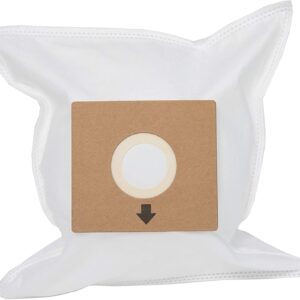
The Sauber Smart bagged model, for example, specifically highlights its convenient bagged design as one that minimises exposure to dust when emptying. Both bagged and bagless categories are available through the Vac City range.
Several habits during the emptying process increase dust exposure more than necessary:
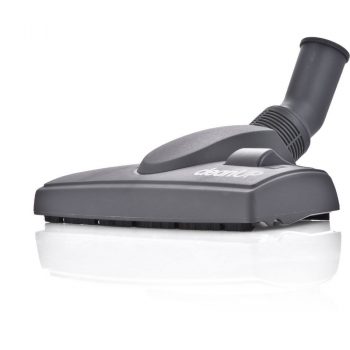
The dust cup and filter are the maintenance focus points for a bagless vacuum, but the rest of the machine also benefits from periodic attention. The Vac City parts and accessories range includes floor nozzles, extensions, attachments, hoses, and internal fittings for a wide range of models.
When a hose develops a crack or a floor head wears down, these are replaceable parts that restore the machine’s sealed performance and keep dust contained during use as intended.
For any performance issue that goes beyond routine maintenance, Vac City offers a same-day vacuum repairs service and a click and collect option for those who need parts or repairs without delay. The team is reachable on 03 9568 6005 for guidance on any model in the range.
Emptying a bagless vacuum with care is a simple habit that takes only an extra minute or two but makes a real difference to indoor air quality and machine performance. Browse the full range of bagless models, vacuum filters, and accessories on the Vac City website, or contact the team for personalised advice to find the right vacuum cleaner for any home or cleaning requirement.