A vacuum cleaner is made up of several working parts, and the condition of each one has a direct effect on how well dust, dirt, and debris get picked up. When one part wears out or clogs, suction and pickup power can drop noticeably, even if the machine still switches on and runs.
Understanding what are the parts of a vacuum cleaner and how they work together makes it easier to spot the cause of weak performance and know what to replace.
Below, we cover the main components that shape cleaning results, along with common questions and considerations when choosing replacements.
The motor drives the airflow that pulls dirt and dust into the machine. A motor that is struggling, worn, or fitted with the wrong stage rating will not generate the airflow needed for effective cleaning, regardless of how clean the rest of the machine is.
Motors are available in different configurations, including 1 stage, 2 stage, and 3 stage options, so matching the correct motor to the vacuum model matters when a replacement is needed.
Filters trap fine dust and particles before air is expelled back into the room. A filter that is clogged, damaged, or overdue for replacement restricts airflow through the machine, which reduces suction at the floor head even if the motor itself is working normally.
Keeping filters clean and replacing them when needed supports both consistent suction and cleaner air output.
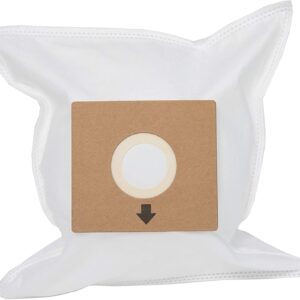
Vacuum bags and dust bins hold the debris collected during cleaning. Once a bag is full or a bin is packed, airflow through the system slows down and pickup performance drops off. This is one of the most common and easily overlooked causes of reduced suction, and it applies to bagged and bagless models alike.
The hose carries air and debris from the floor head or attachment through to the main body of the vacuum. A hose with a crack, split, or blockage lets air escape or restricts flow, which weakens suction at the point of contact with the floor. Handles connect to the hose and are also part of this airway, so wear or damage in either component can affect overall performance.
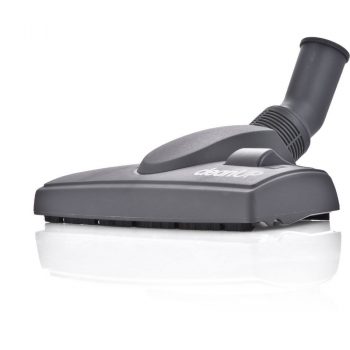
The floor head is where the vacuum meets the surface being cleaned. Worn brush bristles, damaged seals, or a floor head that no longer sits flush against the floor all reduce contact and pickup. Different floor heads, including turbo heads and hard floor heads, are designed for particular surfaces, so using the correct head type also plays a role in cleaning results.
The roller brush agitates carpet fibres to lift embedded dirt so it can be drawn into the vacuum. A roller brush that is worn, tangled with hair, or missing bristles will not agitate carpet effectively, leaving debris behind even when suction itself is strong. Motor brushes, which are separate internal components, also wear over time and can affect how the motor runs.
On many upright models, a belt connects the motor to the roller brush. A stretched, slipping, or snapped belt stops the brush roll from spinning properly, which noticeably reduces carpet cleaning performance even though the motor continues to run.
Telescopic rods and attachments extend reach and adapt the vacuum for different tasks, such as crevice cleaning or dusting. While these parts do not affect core suction, a damaged rod connection or a poorly fitted attachment can create air leaks that reduce performance at the tool end.
For cordless and stick vacuums, battery condition affects sustained suction power throughout a cleaning session. A battery nearing the end of its life may cause suction to drop off well before the job is finished, so battery health is worth checking alongside the other components above.
Cleaning performance rarely comes down to a single part. Motor condition, filter cleanliness, bag or bin capacity, hose integrity, floor head fit, roller brush condition, and belt tension all work together, and a weakness in any one of them can be felt at the floor. Knowing what are the parts of vacuum cleaner systems are built from makes it much easier to identify which component needs attention.
Vac City stocks a range of vacuum parts & accessories covering filters, motors, hoses, floor heads, belts, batteries, and more, across many brands. For help identifying the right replacement part for a specific model, reach out to the team or browse the parts and accessories range online.